
East Texas Roof Inspection Guide: What Our Weather Does to Your Shingles
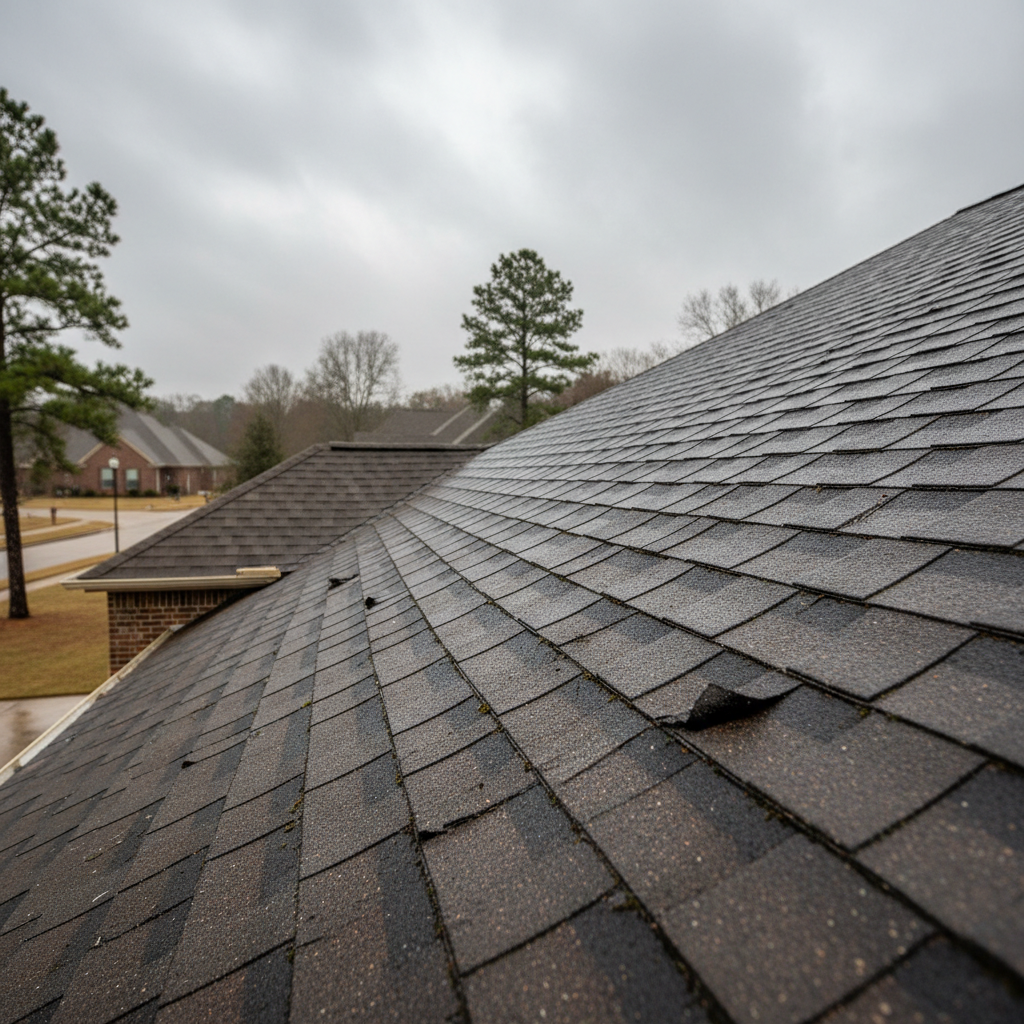
If you live in East Texas, you already know the weather here doesn't play nice. Scorching summers, surprise hailstorms, months of humidity, and pine trees dropping debris onto your roof — it adds up faster than most homeowners realize.
The problem? Roof damage usually hides in plain sight until it becomes an expensive emergency. A professional East Texas roof inspection is the clearest way to know exactly where your roof stands before a small issue turns into a big repair bill.
This guide breaks down what our local climate actually does to your shingles — and what you can do about it.
The East Texas Climate: A Perfect Storm for Roof Wear
East Texas sits in a unique climate zone that combines the worst of several worlds for roofing materials:
- High humidity — Annual average humidity levels in East Texas regularly climb above 70%, which accelerates moisture-related damage year-round.
- Extreme summer heat — Roof surface temperatures in direct Texas sun can far exceed the ambient air temperature, causing shingles to expand, dry out, and crack over time.
- Severe spring and fall storms — East Texas sits in a region prone to hail, high winds, and heavy rain, especially in spring and early fall.
- Dense tree canopy — The Piney Woods region means many homes sit under or near large pine trees that constantly drop needles, cones, and branches onto roofing surfaces.
Each of these factors would stress a roof on its own. Together, they shorten roof lifespans and create damage patterns that are easy to miss without a trained eye.
What Heat and UV Exposure Do to Your Shingles
Asphalt shingles — the most common roofing material in East Texas — are designed to handle heat, but prolonged exposure still takes a toll. Over time, UV rays break down the asphalt binders that hold granules in place. You may notice dark streaks or bare patches appearing on your shingles. This granule loss is one of the 5 warning signs your roof needs attention that homeowners often miss until the damage is already significant.
Once granules wear away, the underlying asphalt becomes brittle and more vulnerable to cracking — especially when temperatures swing dramatically between seasons.
How Humidity Quietly Damages Your Roof
Moisture is a slow and silent problem. In East Texas, high humidity means roofing materials rarely get a true dry-out period. This creates conditions where:
- Algae and moss take hold on north-facing slopes and shaded areas, holding additional moisture against the shingle surface
- Wood decking beneath shingles can absorb humidity over time, weakening the structural layer your shingles are nailed to
- Flashing and sealants around vents, chimneys, and skylights degrade faster in wet conditions
For a deeper look at how East Texas humidity specifically shortens roof lifespans, the sibling article How Humidity and Heat in East Texas Shorten Your Roof's Lifespan in this content series covers this in detail.
Storm Damage: Hail, Wind, and What Gets Left Behind
East Texas sees its share of severe storms — and storm damage isn't always dramatic. A hailstorm that seems minor can leave bruising on shingles that isn't visible from the ground but compromises the waterproofing layer underneath. High winds can lift shingle edges, break the adhesive seal, or drive rain beneath flashings.
Equally important: the debris storms leave behind. Pine needles and wet leaves that pile up in valleys and gutters trap moisture against the roof surface long after the storm has passed. That trapped moisture is a fast track to early deterioration.
If you're not sure what to look for after a storm, our Texas storm-season roof maintenance checklist walks through the key checkpoints.
Why East Texas Homeowners Need a Roof Inspection More Often Than They Think
Most homeowners assume their roof is fine unless there's an active leak. By that point, the damage has usually been building for months or even years.
A professional roof inspection in East Texas typically checks:
- Shingle condition — granule loss, cracking, curling, and missing shingles
- Flashing integrity — around chimneys, vents, skylights, and valleys
- Gutter and drainage health — blockages that redirect water toward the roofline
- Decking and structural signs — sagging, soft spots, or visible deterioration
- Algae, moss, and debris buildup — especially important in wooded East Texas neighborhoods
For a full breakdown of what professionals assess during an inspection, see What Does a Professional Roof Inspection Actually Include?
As for how often you should schedule one, How Often Should You Get a Roof Inspection? A Texas Homeowner's Guide gives practical guidance based on your roof's age and condition.
Turning an Inspection Into Something You Can Actually Use
Here's where many homeowners get stuck: they schedule an inspection, receive a lengthy PDF full of technical language, and then file it away and forget it. That report doesn't help you track whether your roof is getting better or worse, and it doesn't mean much when you're trying to sell your home or file a claim.
Full Armor HomeIQ's RoofIQ score takes a professional inspection and converts it into a simple 0–100 score that tells you exactly where your roof stands — and tracks it over time so you can see trends, not just snapshots. Want to understand how the score works? What Is a RoofIQ Score — and How Is It Calculated? explains the details.
Your RoofIQ report is also clean, secure, and shareable — which matters when you're selling your home, refinancing, or navigating a claim. See how a shareable roof condition report can speed up closing in Texas.
If you're in the Longview, Tyler, Nacogdoches, or broader East Texas area and need help finding a trustworthy inspector, How to Find a Trustworthy Roofing Inspector in East Texas is a great starting point.
The Bottom Line for East Texas Homeowners
East Texas weather is genuinely hard on roofs. Heat, humidity, storms, and debris work together in ways that add up quietly — until they don't. Regular professional inspections, combined with a clear record of your roof's condition over time, are the most reliable way to stay ahead of expensive surprises.
Ready to know exactly where your roof stands? Get your RoofIQ Score today — a professional East Texas roof inspection turned into a simple score you can track, share, and actually understand.
Frequently Asked Questions
Written by Full Armor HomeIQ Team
The Full Armor HomeIQ team helps homeowners understand and track their home's condition — starting with the roof.
Get Your RoofIQ Score
Contact Full Armor HomeIQ for a free inspection and consultation.
Get a Free Quote