What Does a Professional Roof Inspection Actually Include?
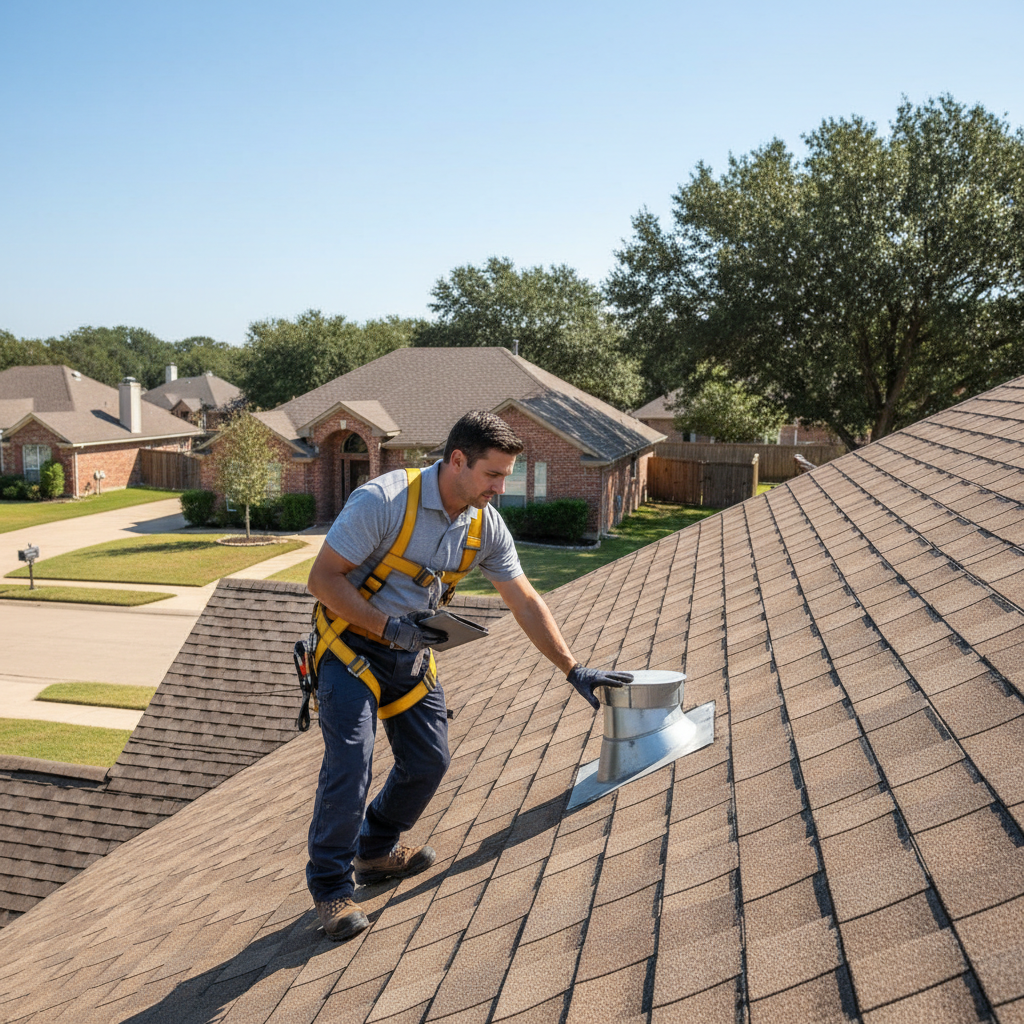
If you've never scheduled a professional roof inspection, you might picture someone glancing up at your shingles for a few minutes and handing you a bill. The reality is much more thorough — and much more valuable.
Understanding what a real inspection covers helps you know what you're paying for, what questions to ask, and how to use the results to protect your home.
The Goal of a Professional Roof Inspection
A professional roof inspection isn't just a visual once-over. It's a structured evaluation of every part of your roof system — the materials you can see and the components working behind the scenes. The goal is to find problems early, before a small issue becomes a major repair.
That's especially important in Texas, where heat, hail, and heavy storms can wear a roof down faster than in many other parts of the country. If you're a homeowner in East Texas, Tyler, Longview, or the Dallas area, your roof faces real seasonal stress. You can read more about what that looks like in our guide to how Texas hail and storms damage your roof over time.
What a Qualified Inspector Checks
A thorough professional roof inspection typically covers several key areas:
1. Roofing Materials
The inspector examines the surface of your roof — whether that's asphalt shingles, metal panels, tile, or another material. They're looking for:
- Missing, cracked, or curling shingles — signs of age or storm damage
- Granule loss — when shingles shed their protective coating, usually visible in gutters
- Blistering or bubbling — often a sign of moisture or ventilation issues
- Moss or algae growth — which can trap moisture and accelerate deterioration
2. Flashing and Seals
Flashing is the metal trim that seals the edges around chimneys, skylights, vents, and valleys. It's one of the most common sources of leaks when it fails. Inspectors check for:
- Lifting, rust, or gaps in flashing
- Failed caulk or sealant around penetrations
- Separation at joints or transitions
3. Gutters and Drainage
Proper drainage protects your roof, fascia, and foundation. An inspector will check:
- Whether gutters are securely attached and pitched correctly
- Signs of granule buildup (indicating shingle wear)
- Blockages that could cause water to back up under the roofline
4. Soffits, Fascia, and Decking
These structural elements support your roof and protect the edges. Inspectors look for rot, damage, or pest intrusion that could compromise the roof system from underneath.
5. Attic and Ventilation (When Accessible)
Some inspectors will also evaluate attic ventilation, which directly affects roof lifespan. Poor airflow leads to heat buildup in summer and moisture problems in winter — both of which shorten how long your roof lasts.
They may look for:
- Proper intake and exhaust venting
- Signs of moisture, mold, or water staining on the underside of the deck
- Adequate insulation that isn't blocking airflow
6. Interior Indicators
A complete inspection often includes a look at ceilings and walls inside your home for water stains, bubbling paint, or other signs that moisture has already made its way through.
What You Get After the Inspection
This is where the experience can vary — a lot.
Some inspectors hand you a dense, multi-page report filled with technical language and photos that are hard to interpret. Others provide a brief verbal summary with no documentation at all. Neither approach makes it easy for a homeowner to understand what actually needs attention or how urgent it is.
That's the problem Full Armor HomeIQ was designed to solve. Our RoofIQ Score takes the findings from a professional inspection and translates them into a clear 0–100 score — so you can instantly see where your roof stands without needing to decode a 40-page PDF. Learn more about why that format matters in our post on what a roof health score actually means.
Your report is also stored securely and shareable — useful when you're selling your home, refinancing, or working through an insurance claim.
How Often Should You Get One?
For most Texas homeowners, a professional roof inspection every one to two years is a reasonable baseline — more often if you've had recent storm activity or your roof is more than 10 years old. We cover this in detail in our guide on how often you should get a roof inspection.
And if you're not sure whether it's time, check out these warning signs East Texas homeowners often miss.
Knowing What's Happening vs. Hoping Nothing Is
A professional inspection gives you facts instead of guesses. Combined with a clear, trackable score and a history of past inspections, you're no longer reacting to roof problems — you're staying ahead of them.
That kind of documented maintenance history also adds real value when it comes time to sell. Buyers and agents notice when a homeowner has proof their roof has been maintained. You can read more about how that plays out in how a strong RoofIQ score boosts your home's resale value.
Ready to see where your roof actually stands? Full Armor HomeIQ connects you with vetted local inspection professionals in East Texas and across Texas — and turns their findings into a simple, trackable RoofIQ Score. Get your RoofIQ Score today and know your roof's true condition.
Frequently Asked Questions
Written by Full Armor HomeIQ Team
The Full Armor HomeIQ team helps homeowners understand and track their home's condition — starting with the roof.
Get Your RoofIQ Score
Contact Full Armor HomeIQ for a free inspection and consultation.
Get a Free Quote