What Does a Professional Roof Inspection Actually Include?
Most homeowners have heard they should get a roof inspection, but very few know what actually happens during one. Is the inspector just walking around up there? Are they checking anything specific? And how do you know if the report they hand you is actually useful?
This guide breaks it down clearly so you know what to expect — and what good looks like.
Why a Professional Roof Inspection Is Different From a Quick Visual Check
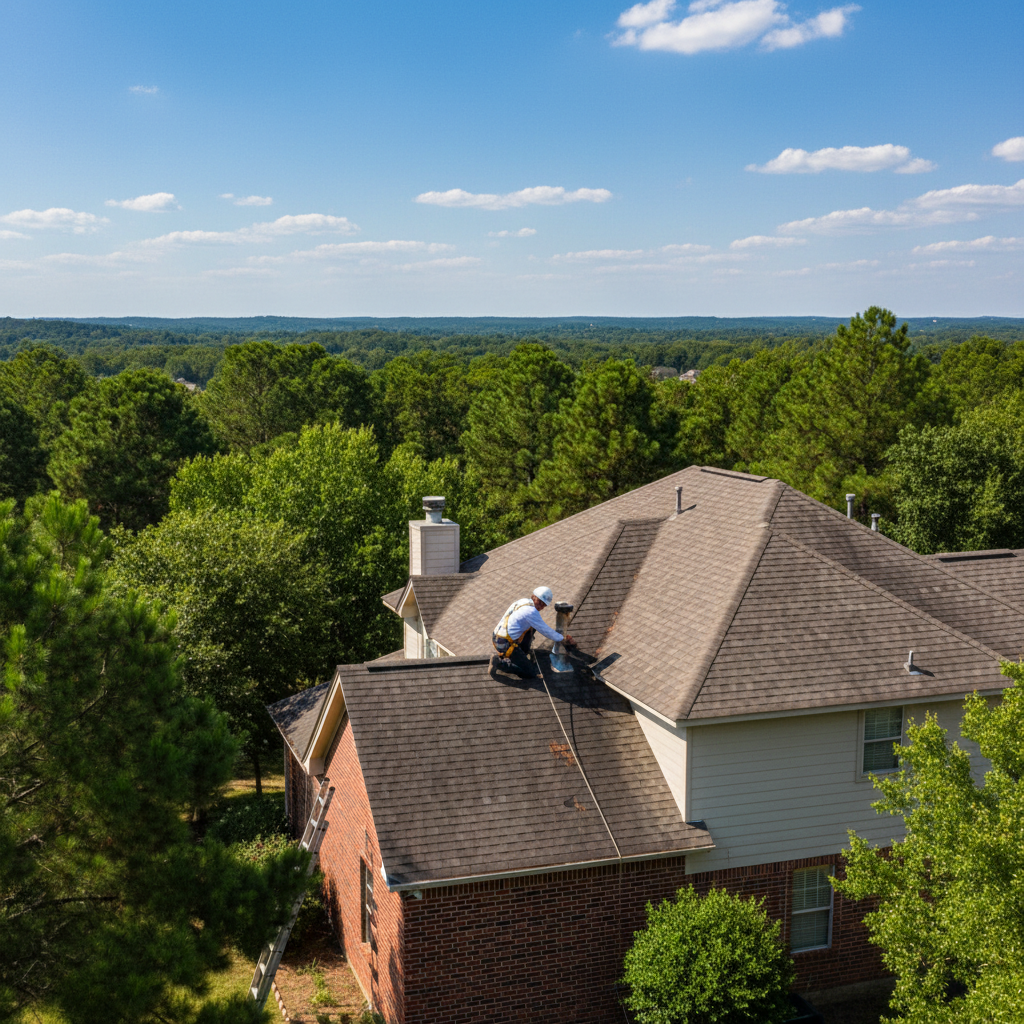
A quick glance from the driveway might tell you a shingle is missing. A professional roof inspection goes much deeper. A qualified inspector follows a structured process, evaluating every major component of your roof system — not just the surface.
That structured approach is what separates a real inspection from a contractor doing a free estimate before trying to sell you a replacement. (Not sure about that difference? We cover it in detail in Roof Inspection vs. Roof Estimate: What's the Difference?.)
What a Professional Roof Inspector Actually Checks
Here's what a thorough professional inspection typically covers:
1. Shingles and Surface Material
The inspector evaluates the condition of your shingles (or whatever roofing material you have) across the entire roof, looking for:
- Missing, cracked, or curling shingles
- Granule loss (the sandy coating that protects asphalt shingles)
- Blistering or bubbling from heat exposure
- Uneven wear patterns that may indicate underlying issues
In Texas, heat and hail are two of the biggest culprits behind shingle damage. Texas hail and storms can cause gradual damage that isn't obvious until it becomes a serious problem.
2. Flashing
Flashing is the metal material used to seal joints and transitions — around chimneys, skylights, vents, and where your roof meets a wall. It's one of the most common leak points on any roof. The inspector checks for:
- Lifted, cracked, or corroded flashing
- Gaps in the seal
- Improper installation that may have been missed at the original build
3. Gutters and Drainage
Water has to go somewhere. The inspector checks that your gutters and downspouts are clear, properly attached, and directing water away from your foundation. They'll also look for granule buildup in the gutters — a sign your shingles may be nearing the end of their life.
4. Soffit, Fascia, and Eaves
These are the boards and panels along the underside and edges of your roofline. Damage here often signals water intrusion or pest activity that's been going on longer than most homeowners realize.
5. Roof Penetrations
Anywhere something pokes through your roof — a plumbing vent, HVAC stack, or exhaust pipe — is a potential entry point for water. The inspector checks the boots, collars, and seals around every penetration.
6. Attic (When Accessible)
A good roof inspection often includes checking the attic from the inside. This can reveal:
- Active leaks or water staining
- Inadequate ventilation (which shortens roof life)
- Signs of mold or moisture buildup
- Improper insulation that can contribute to ice dams or heat damage
7. Structural Integrity
The inspector looks for sagging, soft spots, or areas where the decking beneath the shingles may be compromised. These issues aren't always visible from outside.
What You Should Receive After the Inspection
This is where a lot of inspections fall short. Many homeowners walk away with a lengthy PDF full of technical language and photos they don't fully understand — and then that report sits in a drawer and is never looked at again.
A useful inspection report should give you:
- A clear summary of what was found
- Prioritized next steps — not just a list of everything that exists on your roof
- Documentation you can actually use — whether for your own records, an insurance claim, a home sale, or a refinance
That's exactly why Full Armor HomeIQ translates your professional inspection into a simple 0–100 RoofIQ Score. Instead of trying to decode a 40-page document, you get a single number that tells you where your roof stands — and a clean, shareable report you can actually do something with. Learn more about what a roof health score really means.
Why Tracking Inspections Over Time Matters
A single inspection is a snapshot. Multiple inspections over time become a story — one that shows whether your roof is holding up, declining, or improving after maintenance.
That year-over-year record is valuable in ways most homeowners don't think about until they need it. It can support an insurance claim, reassure a buyer during a home sale, or help you make smarter decisions about when to repair versus replace. Here's how to build that kind of home maintenance history.
Finding a Qualified Inspector in Texas
Not every person who offers a "free roof inspection" is conducting a thorough, unbiased evaluation. If you're in East Texas, Tyler, Longview, Nacogdoches, or the surrounding area, it pays to work with someone vetted. Our guide on finding a trustworthy roofing inspector in East Texas covers exactly what to look for.
Full Armor HomeIQ connects homeowners with local inspection professionals, handles the scheduling, and delivers results in a standardized format — so you're not left guessing.
Get Your RoofIQ Score Today
Now that you know what a professional roof inspection includes, the next step is easy. Full Armor HomeIQ matches you with a qualified local inspector, turns the results into a clear 0–100 RoofIQ Score, and keeps your report secure and shareable whenever you need it. Whether you're protecting your home, planning to sell, or just want to know where things stand — start with a score you can actually understand.
Frequently Asked Questions
Written by Full Armor HomeIQ Team
The Full Armor HomeIQ team helps homeowners understand and track their home's condition — starting with the roof.
Get Your RoofIQ Score
Contact Full Armor HomeIQ for a free inspection and consultation.
Get a Free Quote