
How Texas Hail and Storms Damage Your Roof Over Time
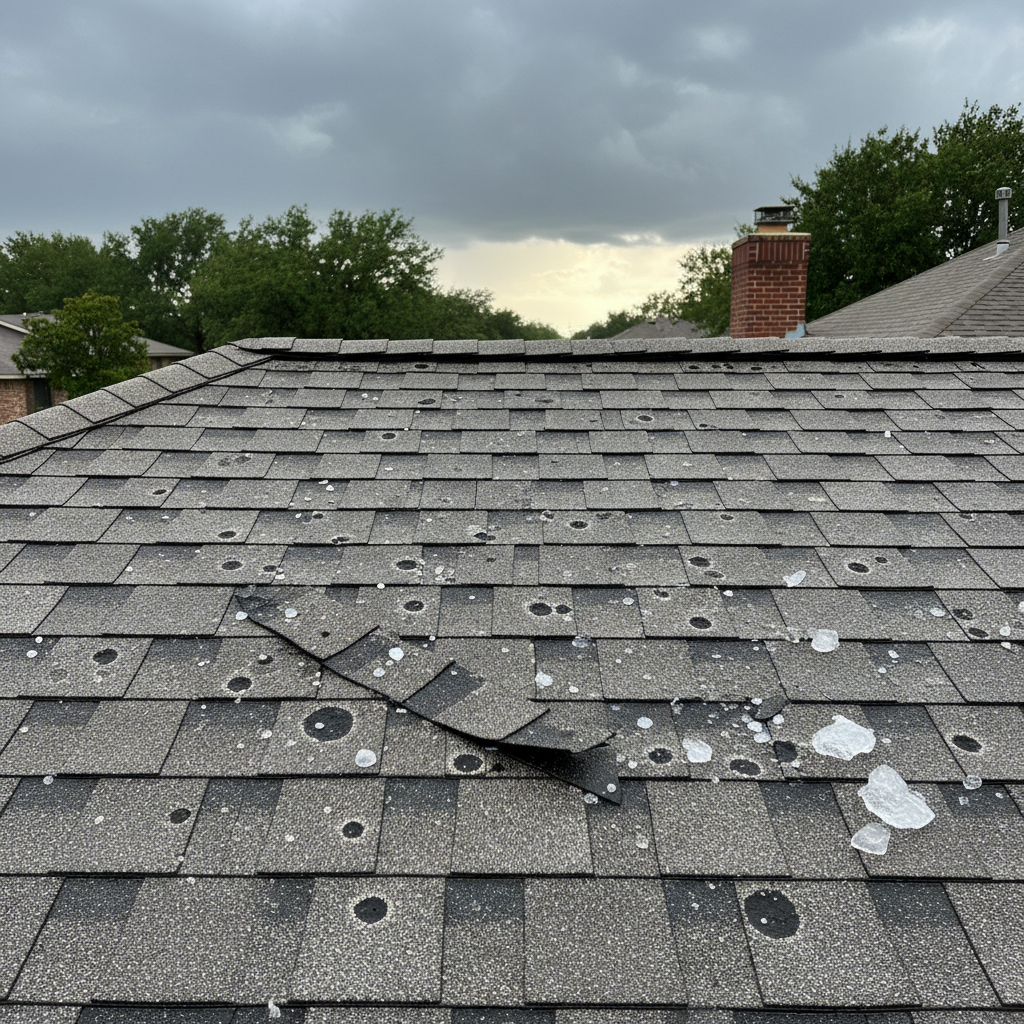
Texas is one of the most storm-active states in the country. From spring hailstorms rolling across East Texas to late-summer thunderstorms that seem to come out of nowhere, your roof takes a beating year after year. The tricky part? Most of that damage builds up slowly — and by the time you notice it inside your home, the repair bill is already much bigger than it needed to be.
Understanding how storms damage your roof over time is the first step toward protecting one of your biggest investments.
The Cumulative Effect of Texas Hail
A single hailstorm doesn't always punch a hole in your roof. Instead, it chips away at something called the granule layer — the tiny mineral particles embedded in your asphalt shingles that protect them from UV rays and water.
Each hailstone that strikes a shingle knocks a few granules loose. One storm? Your roof may look fine. Three storms over five years? Those shingles are significantly more vulnerable to cracking, curling, and moisture intrusion.
This is why hail damage is often called "hidden damage." It's real, it's progressive, and it rarely looks dramatic from the ground.
What Hail Does to Common Roofing Materials
- Asphalt shingles: Granule loss, soft spots (called "bruising"), cracked tabs
- Wood shakes: Split grain lines, accelerated weathering, and rot entry points
- Metal roofing: Dents that can disrupt water drainage over time
- Flashing and vents: Dented or loosened seals that let water in at the edges
If you're not sure what your roof is made of or how it's holding up, that's exactly the kind of question a professional inspection answers clearly. Check out 7 Signs Your Roof Needs a Professional Inspection Before the Next Storm for a helpful starting point.
How Storms Layer Damage Over the Years
One of the biggest misunderstandings about roof health is treating every storm as an isolated event. In reality, your roof's condition is the sum of every storm it has ever faced — plus heat, humidity, and age.
Here's how that layering typically plays out in Texas:
- Year 1–3: New roof handles storms well. Minor granule loss begins.
- Year 4–7: Repeated hail events accelerate granule loss. Shingles become more brittle in the summer heat.
- Year 8–12: Water starts finding micro-pathways through compromised shingles. Flashing may begin to lift. Decking can absorb moisture.
- Year 12+: Without documented maintenance, a home sale, refinance, or insurance claim gets complicated — fast.
This is exactly why year-over-year tracking matters. When you can show a roof's condition trend over time, you're in a much stronger position — whether you're filing a claim, listing your home, or simply deciding when to schedule repairs. Learn more about why tracking your home's condition over time can save you thousands.
East Texas Has Its Own Storm Challenges
If you're in East Texas — areas like Tyler, Longview, Nacogdoches, or the surrounding communities — your roof faces a specific combination of threats:
- Frequent spring severe weather: The region sits in a high-frequency corridor for thunderstorms and hail between March and June.
- Heavy pine tree coverage: Falling limbs and debris during wind events cause impact damage and trap moisture on the surface.
- High humidity year-round: Even after a storm passes, moisture lingers and accelerates the breakdown of roofing materials.
That combination of impact damage plus ongoing moisture exposure is hard on any roof. A roof inspection in Tyler or Longview after a significant storm is never a bad idea — and in many cases, it's the only way to know what you're actually dealing with.
Why Waiting Is Always More Expensive
The most common reason homeowners skip roof inspections is simple: the roof isn't leaking yet. But by the time water shows up inside your home, it has usually been making its way through compromised shingles, underlayment, and possibly decking for some time.
Small problems that cost a few hundred dollars to address can grow into structural repairs that cost several times more. And if you're trying to sell your home or refinance, a roof with undocumented damage history creates real friction — with buyers, lenders, and sometimes insurers.
A documented roof health record removes that friction entirely. See how a clear report can help at the closing table: Selling Your Home in Texas? Here's How a Shareable Roof Condition Report Can Speed Up Closing.
What a Roof Inspection Actually Reveals
A professional roof inspection does more than confirm whether your shingles look okay from the driveway. A thorough inspection covers:
- Granule loss patterns across the entire surface
- Bruising or soft spots from hail impact
- Condition of flashing around chimneys, vents, and valleys
- Gutter and drainage performance
- Signs of moisture intrusion at the decking level
- Ridge cap and ventilation integrity
The challenge has always been turning that information into something useful. Most homeowners receive a long PDF they don't fully understand and never look at again. That's exactly the problem Full Armor HomeIQ was built to solve — turning a professional inspection into a simple 0–100 RoofIQ Score that's easy to read, track over time, and share when you need it.
Don't Wait for the Next Storm to Find Out
Texas storms aren't slowing down. And every season you go without a professional inspection is another season of cumulative damage going undocumented.
The good news: getting a clear picture of your roof's condition doesn't have to be complicated. Full Armor HomeIQ connects Texas homeowners with vetted local inspection professionals, handles the scheduling, and delivers your results as a clean, shareable RoofIQ Score — not a confusing report that ends up in a drawer.
Get Your RoofIQ Score today and know exactly where your roof stands — before the next storm makes the decision for you.
Frequently Asked Questions
Written by Full Armor HomeIQ Team
The Full Armor HomeIQ team helps homeowners understand and track their home's condition — starting with the roof.
Get Your RoofIQ Score
Contact Full Armor HomeIQ for a free inspection and consultation.
Get a Free Quote