
East Texas Roof Inspection Guide: What Our Weather Does to Your Shingles
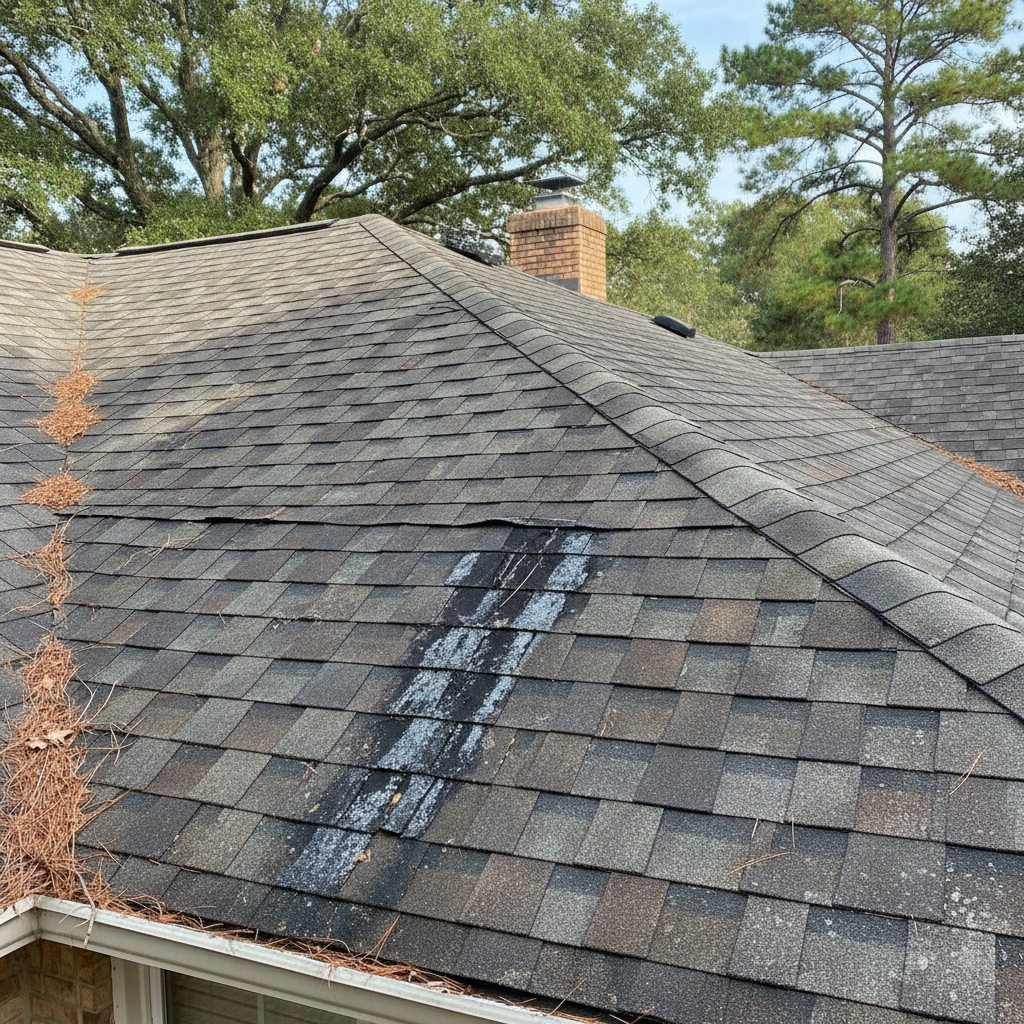
If you've lived in East Texas for any length of time, you know the weather here doesn't play nice. Sweltering summers, sudden hailstorms, months of humidity, and the occasional freeze — your roof takes the full force of all of it, every single year.
The problem? Most homeowners don't think about their roof until something goes wrong. By then, what could have been a small repair has often grown into a much bigger one.
This guide breaks down exactly what East Texas weather does to your shingles, why regular roof inspections matter here more than in many other parts of the country, and how you can stay ahead of problems before they become expensive surprises.
The East Texas Climate Challenge
East Texas sits in a unique climate zone. It's humid, it's hot, and it's directly in the path of Gulf moisture that fuels some of the South's most intense thunderstorm seasons. That combination creates a year-round stress cycle for your roof.
Here's what your shingles are dealing with across a typical year:
- Spring: Severe thunderstorms, hail, and high winds — often the most damaging season for roofs across the region
- Summer: Prolonged heat above 90°F and high humidity that cycles daily, expanding and contracting roofing materials repeatedly
- Fall: A second, quieter storm season and the beginning of cooler, wetter weather
- Winter: Occasional ice, freeze-thaw cycles, and moisture that works into any existing cracks or gaps
None of these seasons are gentle. And the effects of one season often set up damage in the next.
What Heat and Humidity Do to Shingles
The heat in East Texas is relentless from May through September. Asphalt shingles can reach surface temperatures well above the ambient air temperature on a sunny day. That repeated expansion — followed by cooling each night — gradually loosens shingles, dries out the oils that keep them flexible, and accelerates aging.
Layered on top of that is humidity. East Texas averages some of the highest humidity levels in the state. That moisture encourages algae and moss growth on shingle surfaces, which isn't just cosmetic — over time, biological growth traps moisture against the shingle and speeds up deterioration.
You might notice dark streaking on your roof. That's usually algae, and it's a sign worth paying attention to. We cover more early signals like this in 5 Warning Signs Your Roof Needs Attention.
For a deeper look at how the specific combination of humidity and heat shortens your roof's lifespan, see our companion article in this series: How Humidity and Heat in East Texas Shorten Your Roof's Lifespan.
What Hail and Wind Storms Do
East Texas sees its share of severe weather. Hailstones as small as a dime can bruise shingles, breaking down the protective granule layer. You may not see obvious holes, but under the surface, the asphalt layer is compromised — and that's where leaks start.
High winds peel up shingle edges, loosen flashing around chimneys and vents, and deposit debris that holds moisture against your roof. After a major storm, the damage isn't always visible from the ground.
That's why a professional inspection after significant weather events is so important. If you're wondering what that inspection should actually cover, our article What a Post-Storm Roof Inspection Should Cover in Texas walks through the key checkpoints.
You can also learn more about how repeated storm exposure compounds over time in How Texas Hail and Storms Damage Your Roof Over Time.
Why DIY Checks Aren't Enough
Walking your yard after a storm and looking up at your roof can help you spot obvious damage like missing shingles. But the most costly damage — bruised granules, lifted flashing, compromised underlayment, early-stage moisture intrusion — isn't visible from the ground.
A professional inspector knows exactly where to look and what to look for. And in East Texas specifically, finding an inspector who understands the local climate and common failure points makes a real difference.
If you're not sure how to evaluate a local inspector, How to Find a Trustworthy Roofing Inspector in East Texas is a helpful starting point. We also have a more detailed guide on What to Look for When Hiring a Roof Inspector in Tyler or Longview, TX if you're in those areas.
How Often Should You Get a Roof Inspection in East Texas?
Given the climate here, most roofing professionals recommend at least one professional inspection per year — and an additional check after any significant storm. For older roofs or homes with known issues, more frequent monitoring makes sense.
The challenge is that most homeowners have no record of previous inspections or repairs. When a problem shows up, there's no baseline to compare against.
That's exactly what Full Armor HomeIQ's RoofIQ score is designed to solve. Instead of a confusing 40-page PDF report you file away and never look at again, you get a simple 0–100 score that reflects your roof's current condition — and that score is tracked over time, so you can see trends, not just snapshots.
Learn more about how the score works in What Is a RoofIQ Score — and How Is It Calculated?
A Record That Actually Protects You
One underappreciated benefit of regular documented inspections is the history they create. If you ever need to file a claim, sell your home, or refinance, a clear record of your roof's condition over time is genuinely valuable.
A shareable RoofIQ report gives buyers, lenders, and adjusters something concrete to look at — not a stack of old paperwork, but a clean, professional document that tells the roof's story at a glance. See how that plays out in a sale situation in Selling Your Home in Texas? Here's How a Shareable Roof Condition Report Can Speed Up Closing.
And if you want to understand the broader value of building a documented maintenance history for your home, Why Tracking Your Home's Condition Over Time Can Save You Thousands is worth a read.
Take the First Step
East Texas weather is hard on roofs. The good news is that staying ahead of it isn't complicated — it starts with knowing what you're working with.
Full Armor HomeIQ connects East Texas homeowners with vetted local inspection companies, turns the results into a clear RoofIQ score, and keeps that record secure and shareable over time. Whether you're in Tyler, Longview, Nacogdoches, or anywhere in between, getting your roof professionally assessed has never been simpler.
Get your RoofIQ Score today and know exactly where your roof stands — before the next storm season arrives.
Frequently Asked Questions
Written by Full Armor HomeIQ Team
The Full Armor HomeIQ team helps homeowners understand and track their home's condition — starting with the roof.
Get Your RoofIQ Score
Contact Full Armor HomeIQ for a free inspection and consultation.
Get a Free Quote