East Texas Roof Inspection Guide: What Our Weather Does to Your Shingles
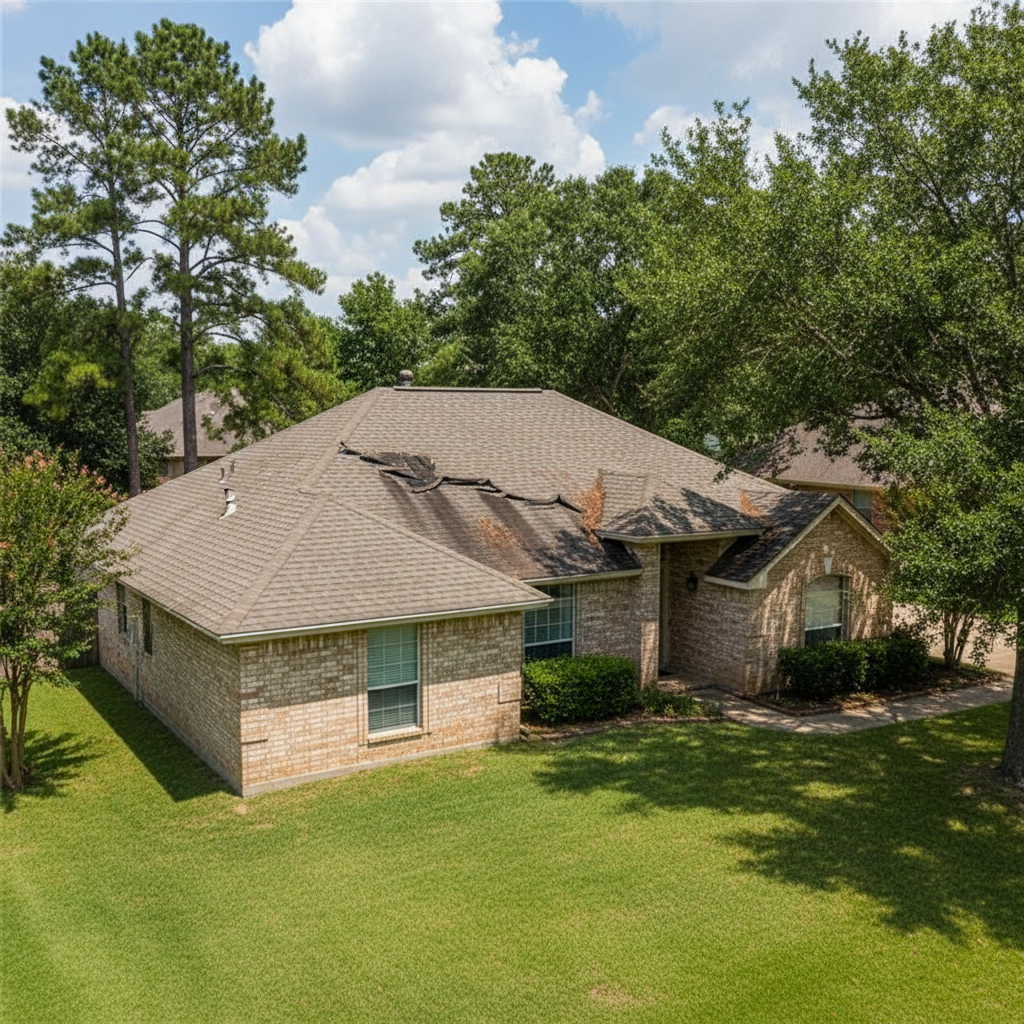
If you live in East Texas, you already know the weather here doesn't play nice. From blistering summer heat to surprise spring hailstorms to weeks of humidity that feels like a warm, wet blanket — your roof takes the brunt of all of it, every single day.
The problem is that most homeowners don't see the damage until it shows up as a water stain on the ceiling or a repair bill that stings. A regular East Texas roof inspection is one of the simplest ways to stay ahead of that.
This guide walks you through exactly what our local climate does to your shingles — and what you can do about it.
Why East Texas Is Especially Hard on Roofs
Not all roof wear is created equal. What happens to a roof in Arizona looks very different from what happens to one in Longview or Nacogdoches. Here's why:
- Heat extremes. Summer temperatures regularly push into the high 90s and beyond. That heat causes shingles to expand, dry out, and become brittle over time.
- High humidity. East Texas sits in one of the most humid regions in the state. Moisture works its way under shingles, into wood decking, and around flashing — quietly causing rot and mold long before you spot it inside.
- Heavy rain and storms. The region sees consistent spring and fall storm activity, including hail. Even moderate hail can crack or bruise shingles in ways that aren't visible from the ground. (We cover this in depth in our article on how Texas hail and storms damage your roof over time.)
- Wind and falling debris. Pine trees are everywhere in East Texas, and they drop branches, pine needles, and cones that trap moisture against your shingles and accelerate breakdown.
What Heat and Humidity Do to Shingles
Heat alone is damaging. Combined with humidity, it accelerates aging significantly.
Here's what to watch for:
- Granule loss. Those small stone-like granules on asphalt shingles protect the material underneath. Heat and rain wash them away over time. You may notice granules collecting in gutters or around downspouts.
- Curling or cupping edges. When shingles absorb and release moisture repeatedly, the edges can begin to curl upward or cup — leaving gaps where wind and water can get underneath.
- Cracking and blistering. Prolonged heat causes the asphalt in shingles to dry out and blister, especially on south- and west-facing slopes that get the most direct sun.
- Algae and moss growth. Shade plus humidity equals algae streaks and moss patches — common on roofs under large trees in areas like Tyler, Longview, and Nacogdoches. Beyond being unsightly, these organisms hold moisture against the roof surface and speed up deterioration.
If any of these sound familiar, it may be time to check for warning signs your roof needs attention.
Storm Season: The Inspection Trigger Most Homeowners Miss
East Texas sees significant storm activity from roughly March through June, with a secondary window in the fall. Many homeowners assume that if no shingles are lying in the yard, the roof is fine.
That's rarely the whole story.
Hail damage, in particular, often looks subtle from the ground — small dents and bruises that compromise the shingle but don't trigger an obvious leak right away. The damage shows up weeks or months later, usually at the worst possible time.
That's why scheduling a professional roof inspection after any significant storm is one of the smartest things you can do as an East Texas homeowner. For a full checklist of what to look at after a storm, see our Texas storm-season roof maintenance checklist.
How Often Should East Texas Homeowners Get a Roof Inspection?
As a general rule, most roofing professionals recommend inspecting your roof at least once a year — and again after any major weather event. If your home is more than 10 years old or sits under heavy tree cover, you may want to increase that frequency.
For a fuller breakdown, see our guide on how often you should get a roof inspection as a Texas homeowner.
The Problem With Traditional Inspection Reports
Here's the frustrating part: even homeowners who do get inspections often come away just as confused as before. A thick PDF full of technical language, photographs, and industry terms doesn't tell you much about whether your roof is actually in good shape.
That's exactly what Full Armor HomeIQ was built to solve. Our RoofIQ score turns a professional inspection into a simple 0–100 number, so you can instantly understand where your roof stands — and track how that number changes over time.
No more filing away a report you'll never look at again. Instead, you get a clear trend line of your roof's health, a shareable report for selling or refinancing, and a connection to vetted local inspection companies who know East Texas roofs.
Learn more about what a roof health score actually means and why it beats a 40-page inspection PDF.
Finding a Trustworthy Roof Inspector in East Texas
One of the most common concerns homeowners share is not knowing who to trust. The roofing industry, unfortunately, has its share of storm chasers and inconsistent quality.
Full Armor HomeIQ connects you with vetted local inspection companies in the Tyler, Longview, Nacogdoches, and surrounding East Texas areas — handling the scheduling so you don't have to chase anyone down. For tips on what to look for when you're hiring, check out our guide on what to look for when hiring a roof inspector in Tyler or Longview.
Your East Texas Roof Deserves a Clear Picture
East Texas weather is beautiful in its own way — but it's genuinely tough on homes. The good news is that staying ahead of roof damage is very manageable when you have the right information and a clear record of your roof's condition over time.
Don't wait for a ceiling leak to find out what your roof has been dealing with. Get Your RoofIQ Score today and know exactly where you stand.
Frequently Asked Questions
Written by Full Armor HomeIQ Team
The Full Armor HomeIQ team helps homeowners understand and track their home's condition — starting with the roof.
Get Your RoofIQ Score
Contact Full Armor HomeIQ for a free inspection and consultation.
Get a Free Quote